
Discussion with the Memorial University of Newfoundland Sociolinguistics Reading Group
(This is not new really, but I am newly linking to it on this website)
Last summer, Paul De Decker (Memorial University of Newfoundland) invited me to speak (remotely) with his department's Sociolinguistics Summer Reading Group about my 2013 paper in Journal of Pragmatics, which dealt with theories of phonological representation via second dialect acquisition data.
Check out the video of our Google Hangout here (please ignore the fact that I am looking downscreen at the little squares with my interlocutors' faces, instead of at the camera):

LSA Summer Institute at the University of Chicago

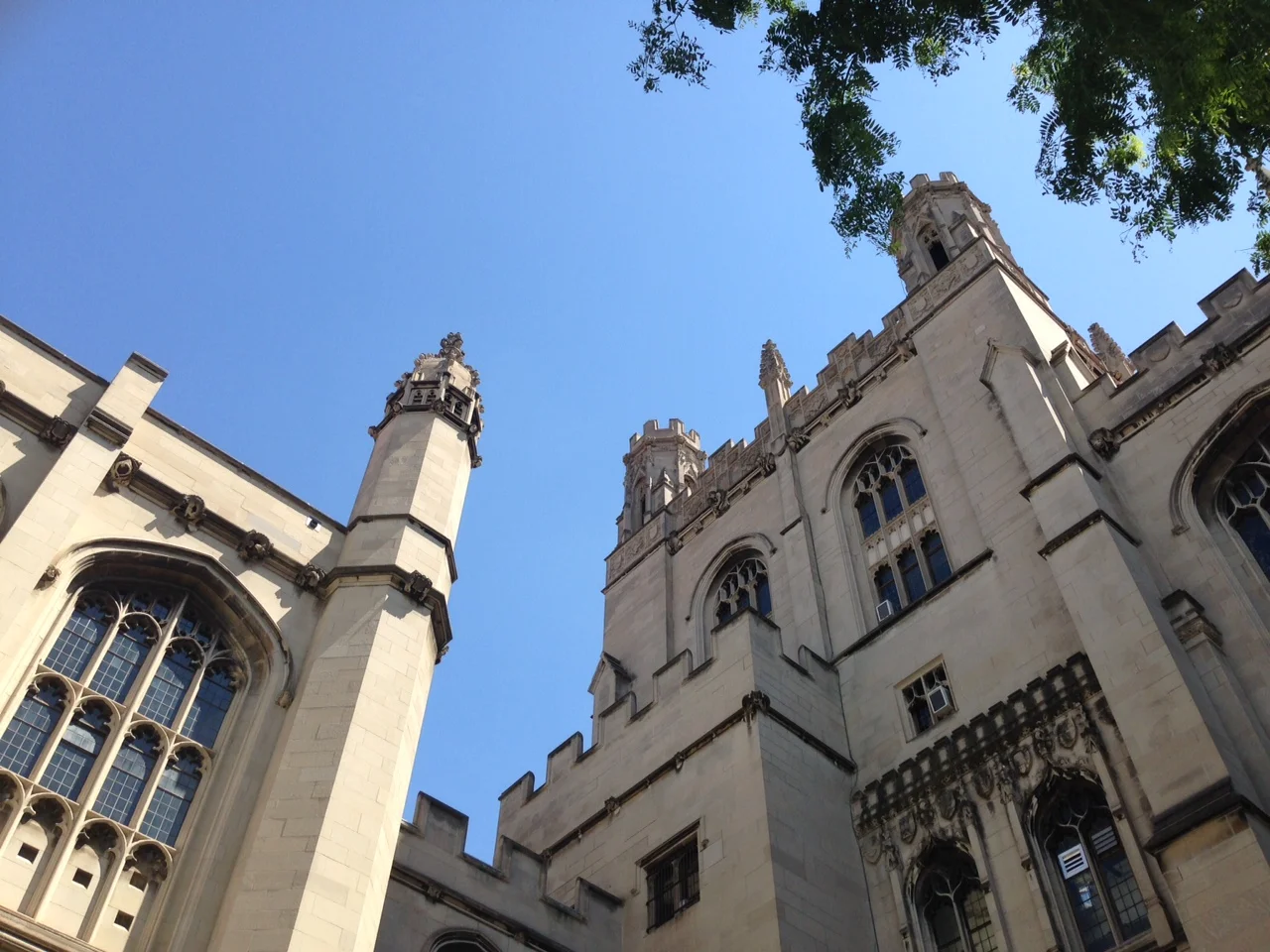
Hello from Chicago, where I'm teaching the latter half of Sociophonetics at the 2015 LSA Summer Institute (Lauren Hall-Lew taught for the first half). Last week's classes were on the sociophonetics of speech perception - how social information affects the perception of sounds, and how variation in speech leads to perceptions of the speaker. This week: accommodation, change over the lifespan, and models of (socio)phonological variation!

New sound-attenuated booth in the Georgetown Linguistics Lab!
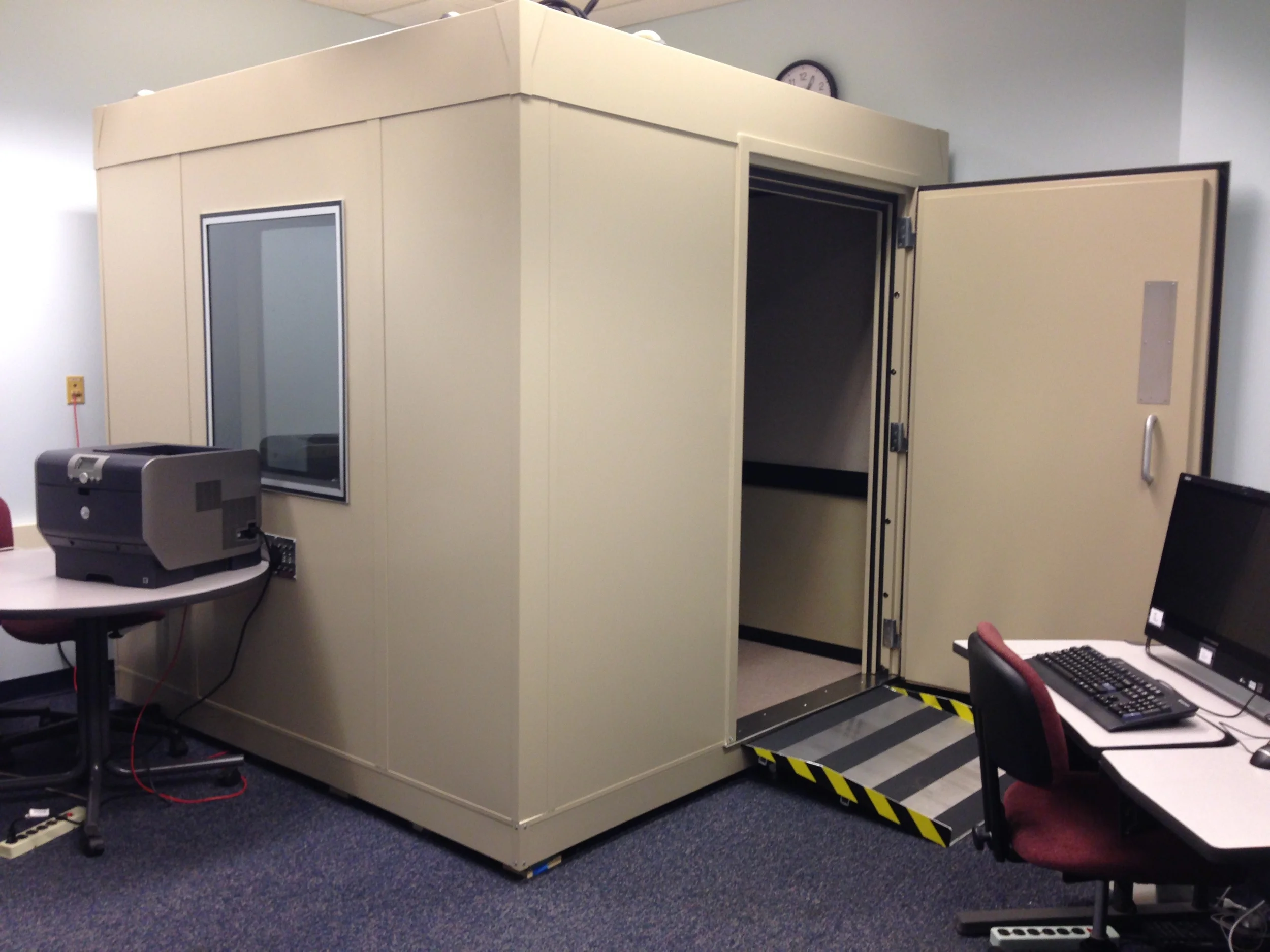
I am very pleased to announce that installation of the sound-attenuated booth in ICC 201 (The LingLab) is finally complete! This crucial new piece of research infrastructure will benefit the increasing number of students and faculty who require space for collecting high-quality sound recordings or carrying out perception experiments.
Fall 2015 course offerings
Behold the blurbs for my Fall 2015 courses:
LING 481: Sociolinguistic Variation (graduate/advanced undergraduate)
Language varies: within speakers, across speakers, and over time. This course is a theoretical and practical introduction to variationist sociolinguistics, the subfield of linguistics concerned with understanding the relationship between variation and language change and with describing and accounting for variation in terms of the linguistic and social factors which underlie it. What are the objects of study in sociolinguistic research? What kinds of questions can we ask about the relationship between language and society, and how do we go about addressing these quantitatively? We’ll pursue answers to these foundational questions by reading classic and contemporary papers in the field – about old fishermen, Harlem teens, Cajun women, nerd girls, frat guys, New Zealanders with attitudes, Polish migrants in Manchester, and other remarkable language users– and apply what we’ve learned to group and individual projects exploring particular cases of variation.
LING 776: Language Variation and Change Over the Lifespan (graduate seminar)
This seminar will focus on the acquisition and development of intraspeaker variation through the lifespan, from child acquisition of the linguistic and social constraints on variation (and the influence of caretakers and peers on this process), to the adolescent peak of vernacular features (particularly within the context of high school, which Eckert 1997 has described as a "hothouse" for the construction of identities via language and other semiotic resources), the post-adolescent retreat from the vernacular, the relatively unexplored stretch of "middle age", and variation later in life. We will also explore the changes that occur when speakers come into sustained contact with new language varieties, and consider how changes over the lifespan reflect the changing social milieu of the speaker and what those changes may tell us about the underlying linguistic system. Over the course of the semester, each student will design and pilot a study related to the course topic based on their own research interests, setting the stage for a more complete project that may serve as the basis for a QP or a dissertation proposal.